Strengthening Movement: Effective Strategies for Long-Term Knee Pain Relief
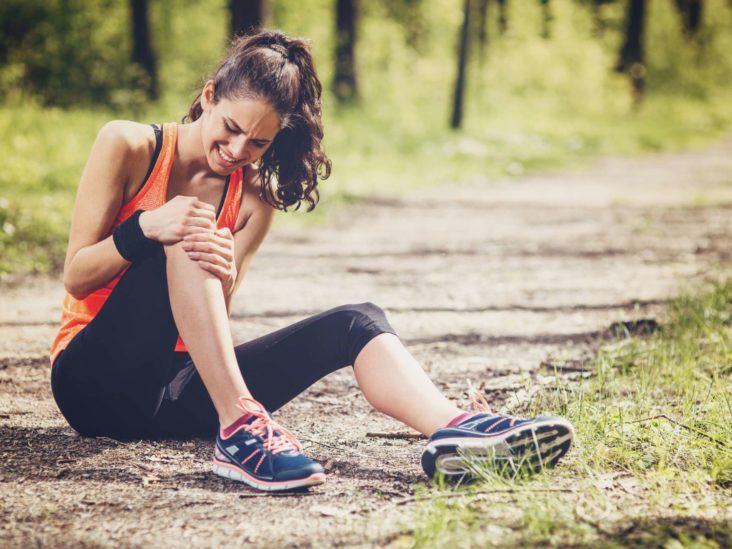
Knee pain is one of the most widespread musculoskeletal complaints affecting adults worldwide. It impacts athletes, office workers, older adults, and even teenagers. Whether the cause is injury, overuse, arthritis, or poor biomechanics, knee pain can significantly reduce quality of life and limit independence.
While many people rely on short-term solutions like medication, braces, or rest, these approaches rarely address the root cause. True long-term relief comes from restoring movement quality, muscular balance, and joint stability.
At Abundant Life Chiropractic, we focus on helping patients rebuild strength and function through structured movement-based rehabilitation. The goal is not simply to eliminate pain temporarily, but to create a resilient knee that can handle daily life without recurring discomfort.
This article explores comprehensive, evidence-informed strategies for long-term knee pain relief, including mobility restoration, strengthening progression, movement retraining, and lifestyle optimization.
Understanding Knee Pain: A Deeper Look at the Root Causes
The knee is a hinge joint designed to absorb force, support body weight, and enable smooth, coordinated movement during daily activities such as walking, running, and squatting. However, it does not operate in isolation. Its function is closely influenced by the hips above and the ankles below, which together form a connected kinetic chain. When any part of this system is weak, stiff, or misaligned, the knee often compensates by taking on excess stress. As a result, most chronic knee pain is not caused solely by damage within the knee itself, but by imbalances, poor mechanics, or dysfunction throughout the lower body.
Common underlying contributors include:
-
Weak quadriceps and gluteal muscles
-
Tight hip flexors pulling the pelvis forward
-
Poor ankle mobility increasing knee stress
-
Flat feet or improper foot mechanics
-
Previous ligament or meniscus injuries
-
Sedentary lifestyle leading to muscle atrophy
-
Repetitive stress from running, squatting, or lifting incorrectly
Over time, these dysfunctions create uneven load distribution across the knee joint, leading to inflammation, irritation, and pain.
Understanding this is critical: pain is often a symptom of dysfunction, not the root problem itself.
Why Movement Is Essential for Knee Recovery
A common misconception is that knee pain should be treated with complete rest. While short periods of rest can help reduce acute inflammation and allow irritated tissues to calm down, prolonged inactivity often has the opposite effect. When the knee is not used, surrounding muscles begin to weaken, joint stiffness increases, and circulation to the area decreases, all of which can slow the healing process. Controlled, gentle movement is usually more beneficial because it helps maintain strength, improves blood flow, and supports proper joint function. In most cases, guided activity leads to faster, more sustainable recovery than complete immobilization alone.
Movement plays a therapeutic role by:
-
Increasing synovial fluid circulation (joint lubrication)
-
Improving oxygen delivery to tissues
-
Reducing stiffness in surrounding muscles
-
Enhancing neuromuscular coordination
-
Preventing muscle wasting
-
Supporting cartilage health through controlled loading
Research consistently shows that controlled, progressive movement is more effective than immobilization for most non-traumatic knee conditions.
The key principle is this:
The right type of movement heals, while the wrong type of movement aggravates.
Restoring Mobility and Reducing Pain Sensitivity
Before strengthening exercises can begin, it is essential that the knee first regains comfortable and controlled motion. This early stage of rehabilitation focuses on gentle, pain-free mobility work designed to restore normal joint movement without causing irritation. Simple exercises such as knee bends, heel slides, and light stretching help reduce stiffness, improve circulation, and re-establish basic range of motion. The goal is not to build strength yet, but to prepare the joint and surrounding tissues for more demanding activity. By prioritizing safe mobility first, the knee becomes more responsive, stable, and ready for progressive strengthening in later stages of recovery.
1. Knee Flexion and Extension Drills
Slowly bending and straightening the knee helps restore joint range of motion and reduces stiffness.
2. Heel Slides
While lying down, slide the heel toward the buttocks and back out. This improves controlled mobility without weight-bearing stress.
3. Hip Flexor Stretching
Tight hip flexors can tilt the pelvis and increase knee stress. Stretching them reduces abnormal force transmission.
4. Calf Mobility Work
Improving ankle flexibility reduces compensatory stress placed on the knee during walking.
5. Gentle Walking
Short, frequent walks encourage circulation without overloading the joint.
This phase should feel restorative, not exhausting. Pain should remain minimal or absent during movement.
Building Foundational Strength
Once mobility improves and the knee can move comfortably through its range of motion, strengthening becomes an essential next step in recovery. The primary goal during this phase is to rebuild and restore muscular support around the knee joint so it can better handle daily activities and reduce strain on the joint itself. Key muscles such as the quadriceps, hamstrings, glutes, and calves are gradually activated and strengthened through controlled exercises. This improved muscular balance helps stabilize the knee, correct movement imbalances, and prevent future injury, creating a stronger foundation for long-term joint health and functional movement in everyday life.
The most important muscle groups include:
-
Quadriceps (front thigh)
-
Hamstrings (back thigh)
-
Gluteus maximus and medius (hip stabilizers)
-
Calves (shock absorption and stability)
Weakness in any of these areas increases strain on the knee joint.
Foundational Strength Exercises
1. Straight Leg Raises
Strengthens quadriceps without bending the knee excessively.
2. Glute Bridges
Activates posterior chain muscles, reducing pressure on the knee.
3. Clamshells
Improves hip stability and prevents inward knee collapse during movement.
4. Wall Sits (Short Duration)
Builds endurance in the quadriceps in a controlled position.
5. Step-Ups (Low Height)
Trains functional movement patterns used in daily life.
6. Partial Squats
Encourages proper alignment while gradually loading the joint.
At this stage, quality matters more than intensity. Proper form ensures that the correct muscles are activated.
Improving Movement Mechanics and Alignment
Strength alone is not enough if movement patterns remain dysfunctional. Even when the muscles surrounding the knee are strong, improper coordination and faulty biomechanics can continue to place excessive stress on the joint. Poor movement habits, such as inward knee collapse, uneven weight distribution, or improper hip and ankle alignment, often lead to repeated irritation and overload. As a result, individuals may still experience knee pain despite having adequate strength. Correcting these movement patterns is essential because it ensures that strength is applied effectively and safely. Proper biomechanics help distribute forces evenly, reducing strain and supporting long-term knee stability and function.
Key movement corrections include:
-
Keeping knees aligned with toes during squats and steps
-
Avoiding inward collapse (valgus movement)
-
Engaging glutes during standing and walking
-
Maintaining upright posture during lower-body movement
-
Distributing weight evenly between both legs
Why alignment matters
When the knee collapses inward or shifts improperly, stress is placed unevenly on cartilage and ligaments. Over time, this leads to inflammation and degeneration.
Retraining movement patterns is one of the most important steps in long-term recovery.
Advanced Strength and Functional Training
Once foundational strength is established and the basic muscle groups around the knee are stable, more dynamic and challenging exercises can be gradually introduced. This progression is important because it helps the body adapt to real-life movement demands such as walking on uneven surfaces, climbing stairs, or changing direction quickly. Exercises at this stage may include lunges, step variations, resistance band movements, and balance training. These activities improve coordination, stability, and control while reinforcing proper movement patterns. By slowly increasing intensity and complexity, the knee becomes more resilient, better supported, and capable of handling higher levels of functional and athletic activity.
1. Resistance Band Training
Adds controlled resistance to improve joint stability.
2. Single-Leg Balance Exercises
Enhances proprioception (body awareness) and stability.
3. Lunges (Progressive Depth)
Builds real-world strength for walking, climbing, and lifting.
4. Lateral Band Walks
Strengthens hip abductors to stabilize knee alignment.
5. Controlled Jump Training (Later Stage)
Helps reintroduce impact safely for active individuals.
Progression should always be gradual. The goal is not speed—it is durability and control.
Low-Impact Conditioning for Long-Term Joint Health
Even after pain improves, ongoing conditioning is essential to maintain knee function. Regular low-impact exercise helps preserve strength, flexibility, and joint stability while preventing stiffness and re-injury. Consistent movement also supports healthy circulation and keeps the muscles surrounding the knee active, ensuring long-term joint health and mobility.
Recommended activities:
-
Walking on even surfaces
-
Swimming or water aerobics
-
Cycling at moderate resistance
-
Elliptical training
These activities improve cardiovascular health while minimizing joint stress.
Regular low-impact movement helps maintain cartilage health and prevents stiffness from returning.
Lifestyle Factors That Influence Knee Health
Knee recovery is not only physical—it is also influenced by daily habits. Factors such as activity levels, posture, nutrition, sleep quality, and footwear choices all play a significant role in healing. Consistently healthy habits support tissue repair, reduce inflammation, and improve overall joint function, helping ensure long-term recovery success.
1. Body Weight Management
Excess weight increases mechanical load on the knee joint with every step. Even small reductions can significantly decrease pain.
2. Footwear Selection
Supportive shoes improve alignment and reduce shock absorption issues.
3. Activity Progression
Avoid sudden increases in exercise intensity or duration.
4. Sedentary Behavior Reduction
Long periods of sitting weaken muscles and stiffen joints.
5. Sleep and Recovery
Proper rest supports tissue repair and reduces inflammation.
Common Mistakes That Delay Recovery
Many individuals unknowingly slow their healing process by:
-
Avoiding movement entirely
-
Returning to sports too quickly
-
Ignoring hip and core strength
-
Using pain as the only guide for activity level
-
Skipping consistency in rehabilitation
Recovery requires balance: too little movement slows healing, while too much too soon causes reinjury.
How Long Does It Take to Recover from Knee Pain?
Recovery timelines vary depending on severity and cause:
-
Mild strain or overuse: 2–4 weeks
-
Moderate dysfunction: 6–8 weeks
-
Chronic or degenerative conditions: 3–6 months or longer
The most important factor is not time—it is consistent, progressive rehabilitation.
Prevention: Keeping Knees Healthy for Life
Once pain improves, prevention becomes the priority. Maintaining knee health requires ongoing strengthening, flexibility work, and proper movement patterns. Regular exercise helps protect the joint from future injury, while healthy habits such as good posture, weight management, and appropriate footwear ensure long-term stability and reduce the risk of recurring knee pain.
Long-term knee health depends on:
-
Strong hips and thighs
-
Good ankle mobility
-
Balanced movement patterns
-
Regular physical activity
-
Early response to minor discomfort
Preventive strengthening is far easier than rehabilitation after injury.
Frequently Asked Questions (FAQs)
1. Is walking good for knee pain?
Yes. Walking is one of the safest and most effective low-impact exercises for knee recovery when done in moderation.
2. Should I stop exercising if my knee hurts?
Not always. Mild discomfort during rehabilitation is normal, but sharp pain should be avoided.
3. Can weak hips cause knee pain?
Yes. Weak glutes often cause poor alignment that increases knee stress.
4. Do knee braces help long-term?
Braces may provide temporary support but do not correct underlying dysfunction.
5. When should I seek professional care?
If pain persists longer than a few weeks or worsens despite home care, professional evaluation is recommended.
6. Can knee pain be reversed naturally?
In many cases, yes—especially when caused by muscular imbalance or movement dysfunction.
7. What is the best exercise for knee pain?
There is no single best exercise, but a combination of glute bridges, step-ups, and controlled squats is highly effective.
Conclusion
Long-term knee pain relief requires more than rest or temporary solutions. It demands a structured approach that restores mobility, rebuilds strength, corrects movement patterns, and supports long-term joint health.
By addressing the root causes—muscle imbalance, poor biomechanics, and inactivity—most individuals can significantly reduce or eliminate chronic knee pain.
Consistency is the most important factor. Small, controlled improvements in movement each day lead to long-term structural change and lasting relief.
If you are struggling with ongoing knee pain, early intervention can make a significant difference in your recovery outcome. A guided, movement-based approach helps restore function and prevent future injury.
For professional evaluation and personalized care, contact:
Abundant Life Chiropractic
Phone: (952) 300-8338
Email: ca@abundantlifechiropractor.com
Address: 7945 Stone Creek Drive, Suite 120, Chanhassen, MN 55317
Website: https://abundantlifechiropractor.com/
The post Strengthening Movement: Effective Strategies for Long-Term Knee Pain Relief appeared first on Abundant Life Chiropractic Health Center.
from
https://abundantlifechiropractor.com/long-term-knee-pain-relief-strategies/
from
https://abundantlifechiropractic0.blogspot.com/2026/05/strengthening-movement-effective.html
from
https://mildredmiller0.blogspot.com/2026/05/strengthening-movement-effective.html



No comments:
Post a Comment