Tuesday, March 10, 2026

Restoring Knee Strength and Mobility Through Targeted Knee Pain Treatment

Restoring Knee Strength and Mobility Through Targeted Knee Pain Treatment

Top 11 Physical Therapy Exercises For Reducing Knee Pain

Knee pain is one of the most common musculoskeletal issues affecting adults of all ages. From athletes pushing their limits to older adults experiencing natural wear and tear, knee discomfort can impact anyone. Because the knees are central to almost every daily movement — walking, running, climbing stairs, sitting, standing, or even bending — any dysfunction can significantly reduce mobility and quality of life. Pain, stiffness, swelling, weakness, or limited range of motion can make simple activities frustrating and, over time, may lead to compensation patterns that affect the hips, back, or ankles.

The encouraging news is that knee pain does not have to be permanent. Through targeted knee pain treatment, it is often possible to alleviate discomfort, restore strength, and regain full mobility. This type of treatment addresses the underlying causes of pain rather than simply masking symptoms, incorporating strategies like therapeutic exercises, mobility work, manual therapy, and personalized rehabilitation plans. By focusing on improving both the function and stability of the knee, patients can reduce the risk of further injury and regain confidence in their movement.

In this article, we explore knee anatomy, common causes of pain, proven treatment methods, effective exercises, and professional care options designed to help you achieve long-lasting knee health.


Understanding the Knee: Anatomy and Function

The knee is far more than a simple hinge joint; it is a complex, highly mobile structure that plays a crucial role in almost every movement we perform. It must support the full weight of the body while allowing smooth, controlled motion during walking, running, bending, and twisting. Comprised of bones, cartilage, ligaments, tendons, muscles, and bursae, each component works together to provide stability, flexibility, and shock absorption. When any part of this intricate system is injured, weak, or imbalanced, the knee can become painful and dysfunctional. Understanding its detailed anatomy is essential for designing targeted treatments that restore function, mobility, and long-term joint health.


Key Components of the Knee

  1. Bones

    • Femur (thigh bone)

    • Tibia (shin bone)

    • Patella (kneecap) – protects the joint and increases leverage

  2. Cartilage

    • Articular cartilage – smooth tissue that covers bone ends

    • Menisci – medial and lateral shock-absorbing cartilage

  3. Ligaments

    • Anterior Cruciate Ligament (ACL) – stabilizes the knee from forward movement

    • Posterior Cruciate Ligament (PCL) – prevents backward displacement

    • Medial Collateral Ligament (MCL) – stabilizes inner knee

    • Lateral Collateral Ligament (LCL) – stabilizes outer knee

  4. Tendons

    • Connect muscles to bones, e.g., quadriceps tendon above the kneecap and patellar tendon below

  5. Muscles

    • Quadriceps – extend the knee

    • Hamstrings – flex the knee

    • Gluteal muscles – control hip alignment and knee stability

    • Calves – assist knee and ankle mechanics

  6. Bursa

    • Small fluid-filled sacs that reduce friction between tissues

Each part must function in harmony. Injury, weakness, or degeneration in one area affects the entire joint, causing pain, reduced mobility, and long-term dysfunction.


Common Causes of Knee Pain

Knee pain can arise from a wide variety of causes, and identifying the underlying source is essential for effective treatment. Pain may result from acute injuries, such as ligament tears or meniscus damage, chronic conditions like arthritis or tendinitis, or overuse and repetitive strain from activities like running, jumping, or prolonged standing. Muscle imbalances, poor biomechanics, or improper gait patterns can also place extra stress on the knee joint, leading to discomfort and dysfunction over time. By thoroughly understanding the root cause of knee pain, healthcare providers can develop a targeted, personalized treatment plan that addresses not just the symptoms, but the structural or functional issues contributing to the problem.

1. Overuse Injuries

Overuse is one of the most frequent causes of knee discomfort, particularly among athletes or active adults.

  • Runner’s knee (Patellofemoral Pain Syndrome) – pain around the kneecap from repetitive activity

  • Jumper’s knee (Patellar Tendinitis) – inflamed tendon due to repeated jumping or squatting

  • Iliotibial Band Syndrome – tight band of tissue causing outer knee pain

2. Traumatic Injuries

Sudden force or trauma can damage knee structures:

  • ACL or MCL tears

  • Meniscus tears

  • Fractures around the knee

3. Chronic Conditions

Degenerative or inflammatory conditions cause persistent knee pain:

  • Osteoarthritis – cartilage wear-and-tear leading to stiffness and swelling

  • Rheumatoid arthritis – autoimmune inflammation

  • Tendinitis or bursitis – inflamed tendons or bursae

4. Muscle Imbalances

Weak quadriceps, glutes, or hamstrings compromise knee stability, increasing stress on ligaments and cartilage.

5. Poor Biomechanics

Misalignment, flat feet, or incorrect gait patterns can overload knee structures, leading to chronic pain over time.


Why Targeted Knee Pain Treatment Matters

Many people rely on generic solutions like rest, ice, compression, or over-the-counter pain medications to manage knee discomfort. While these methods can provide temporary relief, they do not address the underlying causes of knee pain, such as muscle weakness, joint misalignment, ligament injuries, or chronic inflammation. This is where targeted knee pain treatment becomes essential. Rather than simply masking symptoms, it focuses on identifying and correcting the root problem through personalized exercises, mobility work, manual therapy, and lifestyle adjustments. By addressing the source of pain directly, targeted treatment promotes long-term recovery, restores strength and function, and reduces the risk of recurring injury.

  • Reduce pain at its source

  • Restore full range of motion

  • Strengthen supporting muscles

  • Improve balance and coordination

  • Prevent future injuries

This approach often combines:

  • Manual therapy

  • Targeted exercise programs

  • Mobility restoration

  • Lifestyle modifications

  • Education on safe movement patterns


Four Core Pillars of Knee Rehabilitation

1. Pain Management

Pain must be addressed first to allow safe movement and effective rehabilitation. Reducing discomfort helps patients participate in exercises and daily activities without further aggravating the injury. Effective strategies may include rest, ice or heat therapy, gentle stretching, manual therapy, and guided therapeutic exercises designed to reduce inflammation and support healing.

  • Manual therapy – gentle joint mobilization, massage, or myofascial release

  • Ice and heat therapy – to reduce swelling and stiffness

  • Therapeutic modalities – electrical stimulation or ultrasound to accelerate healing

  • Anti-inflammatory strategies – lifestyle, nutrition, and safe medications under guidance

2. Mobility Restoration

Restricted motion in the knee can place additional stress on surrounding muscles, ligaments, and nearby joints such as the hips and ankles. When the knee cannot move through its full range of motion, the body often compensates with altered movement patterns. Over time, these compensations can lead to increased strain, discomfort, and a higher risk of further injury. Restoring proper mobility through stretching, gentle joint movements, and guided rehabilitation helps reduce pressure on surrounding structures and promotes smoother, more efficient movement in daily activities.

  • Flexion and extension exercises restore natural movement

  • Soft tissue work reduces tightness and scar tissue

  • Joint mobilizations promote lubrication and decrease stiffness

  • Example exercises: Heel slides, knee bends, gentle hip rotations

3. Strength Training

Muscles play a vital role in supporting and protecting the knee joint during movement. Strong muscles help stabilize the joint, absorb shock, and reduce the strain placed on ligaments and cartilage. Targeted strengthening exercises focus on key muscle groups such as the quadriceps, hamstrings, glutes, and calves. When these muscles are properly developed, they work together to improve knee alignment, balance, and overall function. Strengthening these supportive structures not only helps reduce current knee pain but also lowers the risk of future injuries, allowing for safer movement and better performance in daily activities.

  • Quadriceps – straight-leg raises, mini-squats

  • Hamstrings – bridges, hamstring curls

  • Glutes – hip thrusts, lateral band walks

  • Calves – heel raises

  • Progression: low-impact → resistance bands → functional exercises

4. Functional Integration

Rehabilitation must extend beyond clinical exercises and translate into real-life movements and daily activities. The goal is not only to reduce pain but also to help individuals move safely and confidently during routine tasks such as walking, climbing stairs, sitting, standing, and lifting objects. Functional rehabilitation focuses on improving coordination, balance, and proper movement patterns so the knee can handle everyday demands. By practicing movements that mimic daily activities, patients develop stronger, more stable joints and reduce the likelihood of reinjury. This practical approach ensures that improvements gained during therapy carry over into normal life, allowing for greater independence and long-term knee health.

  • Walking, stair climbing, bending, lifting

  • Athletic or sport-specific drills

  • Goal: regain confidence in movement patterns, reducing risk of reinjury


Step-By-Step Treatment Progression

Phase 1: Relief & Restoration

  • Reduce swelling

  • Pain-free activation of muscles

  • Gentle mobility exercises

Phase 2: Foundational Strength

  • Isometric quadriceps activation

  • Hamstring and gluteal strengthening

  • Core stability

  • Low-impact functional drills

Phase 3: Load & Control

  • Resistance training

  • Eccentric strengthening

  • Dynamic balance exercises

Phase 4: Functional Return

  • Sport-specific drills

  • Plyometric exercises if appropriate

  • Dynamic balance and agility


Key Exercises for Knee Strength and Mobility

Mobility & Flexibility

  • Heel Slides

    • Lie on your back, slide your heel toward your buttocks

    • Improves knee flexion

  • Seated Hamstring Stretch

  • Quadriceps Stretch

  • Calf Stretch Against Wall

Strengthening

  • Straight-Leg Raises

  • Mini Squats

  • Bridges

  • Step-Ups

  • Terminal Knee Extensions

Balance & Stability

  • Single-Leg Stance

  • Balance Board Exercises

  • Lateral Band Walks


Manual Therapy & Chiropractic Care

Chiropractic and manual therapy interventions help accelerate recovery:

  • Joint mobilization to improve glide and alignment

  • Soft tissue release for tight muscles and scar tissue

  • Corrective adjustments for knee, hip, or spine alignment

These interventions are always personalized, ensuring each patient receives care specific to their condition.


Lifestyle Strategies to Support Recovery

  • Weight Management – reduces knee load

  • Proper Footwear – supports biomechanics

  • Activity Modification – switch high-impact to low-impact activities temporarily

  • Adequate Rest & Recovery – healing tissues need time to adapt


Dietary Considerations for Joint Health

Nutrition can support knee rehabilitation and reduce inflammation.

  • Omega-3 fatty acids – found in fish, walnuts, flaxseed

  • Collagen supplements – support cartilage and tendons

  • Antioxidants – berries, leafy greens, and spices reduce oxidative stress

  • Vitamin D & Calcium – support bone health


When to Seek Professional Care

Immediate evaluation is necessary if:

  • Pain persists beyond 2–3 weeks

  • Swelling or locking occurs

  • You cannot bear weight

  • Knee feels unstable or “gives out”

  • Deformity is visible


What to Expect During a Professional Knee Evaluation

A clinician or chiropractor will:

  • Review your history and symptoms

  • Conduct a thorough physical exam

  • Assess gait, alignment, and range of motion

  • Perform orthopedic tests

  • Develop a personalized treatment plan


Case Examples

Case 1: Runner with Patellofemoral Pain

  • Symptoms: Anterior knee pain during running

  • Treatment: Quadriceps strengthening, hip/glute activation, patellar mobilization

  • Outcome: Returned to running pain-free in 8 weeks

Case 2: Older Adult with Knee Arthritis

  • Symptoms: Stiffness, swelling, pain during daily activities

  • Treatment: Mobility exercises, low-impact strengthening, manual therapy

  • Outcome: Improved mobility, reduced pain, regained independence in daily activities


FAQs

Q1: Can knee pain be fully healed?
Yes, many cases respond well to conservative care, including targeted exercises, therapy, and lifestyle changes.

Q2: Will exercise worsen my knee?
Not if exercises are tailored to your ability and performed pain-free.

Q3: How long until I see improvement?
Early relief may occur in days; strength and mobility gains typically appear in 4–8 weeks.

Q4: Is surgery always necessary?
No. Most knee pain responds well to targeted conservative care.

Q5: Are supplements useful?
Some patients benefit from collagen, glucosamine, or omega-3s. Always consult your clinician.


Conclusion

Knee pain doesn’t have to control your life or limit the activities you enjoy. With the right targeted treatment, it’s possible to restore not only strength and mobility but also proper joint function, allowing you to move freely and confidently again. Addressing knee pain effectively requires a comprehensive approach that combines carefully designed exercises to strengthen the supporting muscles, manual therapy to improve joint alignment and flexibility, and professional guidance to ensure safe and effective rehabilitation. Additionally, practical lifestyle adjustments such as proper footwear, activity modification, weight management, and recovery strategies play a critical role in reducing stress on the knees and promoting long-term health. By taking these steps, you can reduce pain, regain independence, and rebuild confidence in your body’s ability to perform daily activities and recreational pursuits. Consistent care and commitment to your knee’s recovery can help prevent future injuries and ensure lasting joint health.

Take the first step toward pain-free knees today. At Abundant Life Chiropractor, we provide personalized care to help you reduce pain, restore mobility, and regain strength.

📞 Phone: (952) 300‑8338
📧 Email: ca@abundantlifechiropractor.com
📠 Fax: (952) 737‑1009
📍 Address: 7945 Stone Creek Drive, Suite 120, Chanhassen, MN 55317
🌐 Website: abundantlifechiropractor.com

Schedule your personalized knee evaluation and start your journey to stronger, healthier knees today!

The post Restoring Knee Strength and Mobility Through Targeted Knee Pain Treatment appeared first on Abundant Life Chiropractic Health Center.


from
https://abundantlifechiropractor.com/knee-pain-treatment-strength-mobility/

from
https://abundantlifechiropractic0.blogspot.com/2026/03/restoring-knee-strength-and-mobility.html

from
https://mildredmiller0.blogspot.com/2026/03/restoring-knee-strength-and-mobility.html

Tuesday, March 3, 2026

The Role of Massage Therapy in Stress Reduction and Muscle Recovery

The Role of Massage Therapy in Stress Reduction and Muscle Recovery

Understanding the Benefits of Registered Massage Therapy

Modern life is filled with constant demands. Deadlines at work, family responsibilities, financial pressures, social obligations, and physical strain can all accumulate and manifest as stress in both the body and mind. Stress is not just an emotional experience—it has real physiological effects that can weaken immunity, increase muscle tension, disrupt sleep, and reduce overall quality of life.

One of the most effective natural therapies for managing stress and promoting physical recovery is massage therapy. Once considered a luxury wellness treatment, massage therapy is now widely recognized as an important component of preventive healthcare and rehabilitation medicine.

Massage therapy provides benefits that go far beyond relaxation. It plays a critical role in lowering stress hormone levels, improving circulation, enhancing muscle recovery, reducing inflammation, and improving mental clarity. Athletes, office workers, people recovering from injuries, and individuals living with chronic pain can all benefit from regular massage therapy.

This comprehensive guide explores how massage therapy works, its scientific basis, different therapeutic techniques, benefits for stress and muscle recovery, and practical ways to incorporate massage into a healthy lifestyle.


Understanding Stress and Its Effects on the Body

Stress is the body’s natural response to pressure or danger, helping protect us in threatening situations. It activates the sympathetic nervous system and triggers the fight-or-flight response, increasing heart rate, blood pressure, and alertness. While this response is helpful for survival, modern life often causes chronic stress due to work demands, financial concerns, relationship challenges, and busy lifestyles. Long-term stress can negatively affect physical and mental health, leading to fatigue, anxiety, poor sleep, headaches, and muscle tension. Managing stress through healthy habits, exercise, relaxation techniques, and therapies like massage can help improve overall well-being and quality of life.

Physical Effects of Chronic Stress

When stress becomes prolonged, it can lead to numerous physical problems:

  • Muscle tension and chronic pain

  • Headaches and migraines

  • Digestive problems

  • High blood pressure

  • Fatigue and sleep disorders

  • Reduced immune system function

  • Hormonal imbalances

Muscle tension is one of the most common physical manifestations of stress. Many people unconsciously tighten muscles in the shoulders, neck, and jaw during stressful situations, leading to chronic discomfort.

Massage therapy helps reverse these effects by promoting relaxation and stimulating the body’s natural healing mechanisms.


How Massage Therapy Reduces Stress

Hormonal Regulation

Massage therapy reduces stress by regulating hormones. It lowers high cortisol levels caused by chronic stress. While cortisol is important for survival, too much can lead to weight gain, poor sleep, weakened immunity, fatigue, and emotional imbalance, affecting overall physical and mental health and wellness.

Massage therapy has been shown to:

  • Lower cortisol levels

  • Increase serotonin production

  • Increase dopamine levels

  • Promote endorphin release

These chemical changes help improve mood and promote relaxation.

Serotonin and dopamine are often called “feel-good” neurotransmitters. Increased levels help improve emotional stability and reduce symptoms of anxiety and depression.


Activation of the Parasympathetic Nervous System

The human nervous system has two primary components:

  • Sympathetic nervous system (stress response)

  • Parasympathetic nervous system (rest and recovery)

Massage therapy stimulates the parasympathetic nervous system, which results in:

  • Slower heart rate

  • Reduced blood pressure

  • Deeper breathing

  • Muscle relaxation

  • Improved digestion

This physiological shift allows the body to move from survival mode into healing and repair mode.


Mental Benefits of Massage Therapy

Massage therapy also supports mental health. Many individuals report improved emotional stability after massage sessions. This may be due to:

  • Reduction in anxiety symptoms

  • Improved sleep quality

  • Increased body awareness

  • Greater emotional resilience

Mind-body connection plays a powerful role in stress management. Massage therapy encourages mindfulness by helping individuals become more aware of physical sensations and tension patterns.


Massage Therapy and Muscle Recovery

Muscle recovery is essential for everyone, not just athletes. During exercise or physical activity, muscles develop micro-tears. Proper recovery allows muscles to repair, rebuild, and grow stronger. Recovery also reduces soreness, prevents injury, improves performance, and supports overall physical health, endurance, and long-term fitness progress.

Improving Blood Circulation

Massage therapy improves blood circulation throughout the body. Better circulation delivers:

  • Oxygen to muscle tissues

  • Nutrients necessary for repair

  • Removal of metabolic waste products

Lactic acid buildup is often associated with muscle soreness after exercise. Massage helps remove excess lactic acid, reducing soreness and improving recovery time.


Reducing Inflammation

Inflammation is a natural part of the healing process. However, chronic inflammation can delay recovery and increase pain levels.

Massage therapy supports lymphatic drainage, helping remove inflammatory substances and reduce swelling.

This is particularly beneficial for individuals recovering from sports injuries or chronic overuse conditions.


Breaking Down Scar Tissue

After injuries, scar tissue can form within muscle fibers as part of the healing process. While scar tissue is necessary to repair damaged tissue, excessive scar formation can reduce flexibility, restrict movement, cause stiffness, and increase the risk of chronic pain or muscle dysfunction over time.

Massage techniques such as deep tissue massage and myofascial release help:

  • Improve flexibility

  • Reduce stiffness

  • Restore range of motion


Preventing Future Injuries

Regular massage therapy helps identify tight or overworked muscles before injuries develop. It improves flexibility, reduces muscle tension, and supports proper movement patterns. Many athletes and active individuals include massage therapy in preventive healthcare to enhance performance, reduce injury risk, and maintain long-term physical health and recovery.


Types of Massage Therapy

Different massage techniques serve different purposes. Some focus on relaxation and stress relief, while others target deep muscle pain, injury recovery, circulation improvement, or flexibility enhancement. Choosing the right massage technique depends on individual health goals, pain levels, activity demands, and overall wellness needs.

Swedish Massage

Swedish massage is a popular therapeutic technique that uses long, smooth strokes and gentle pressure. It promotes relaxation, improves blood circulation, reduces stress, relieves mild muscle tension, and supports overall wellness. It is often recommended for beginners or individuals seeking gentle, calming, and restorative massage therapy benefits.

Benefits include:

  • Relaxation

  • Stress reduction

  • Improved circulation

This type of massage is ideal for beginners or individuals seeking relaxation rather than deep therapeutic treatment.


Deep Tissue Massage

Deep tissue massage targets deeper layers of muscle and connective tissue. It helps relieve chronic muscle tension, reduce pain, break down scar tissue, improve mobility, and restore flexibility. This technique is often used for chronic pain management, injury recovery, and treating stubborn muscle knots and stiffness.

It is commonly used to treat:

  • Chronic pain

  • Muscle knots

  • Postural problems

While more intense than Swedish massage, pressure is adjusted to ensure comfort.


Sports Massage

Sports massage is designed specifically for athletes to improve performance, prevent injuries, and speed up recovery. It focuses on muscle groups used during physical activity, helping reduce soreness, improve flexibility, increase circulation, and support overall athletic conditioning, training endurance, and long-term physical performance.

It helps:

  • Improve athletic performance

  • Prevent injuries

  • Speed up post-workout recovery

  • Reduce muscle soreness

Techniques often include stretching and targeted muscle work.


Myofascial Release

Fascia is the connective tissue surrounding muscles, helping support and stabilize movement. When fascia becomes tight or restricted, it can cause pain, stiffness, and limited mobility. Myofascial release uses slow, sustained pressure to relax fascia, reduce tension, improve flexibility, enhance movement, and support overall muscle function and comfort.


Trigger Point Therapy

Trigger points are small, sensitive areas of muscle tightness that can cause pain in other parts of the body. Trigger point therapy applies targeted pressure to these points to release tension, reduce referred pain, improve muscle function, and help restore normal movement and comfort.


Hot Stone Therapy

Hot stone massage uses smooth, heated stones placed on the body to promote deep relaxation. The heat helps relax tight muscles, improve blood circulation, reduce stress, ease muscle stiffness, and enhance overall comfort. It is often used for therapeutic relaxation and stress management benefits.

Heat helps:

  • Improve circulation

  • Reduce muscle stiffness

  • Enhance relaxation response


Massage Therapy for Specific Populations

Athletes

Athletes benefit from massage therapy because it:

  • Improves performance

  • Reduces injury risk

  • Speeds recovery time

Professional sports teams often include massage therapists as part of their medical staff.


Office Workers

Sedentary lifestyles contribute to postural problems. Office workers commonly experience:

  • Neck pain

  • Shoulder tension

  • Lower back discomfort

Massage therapy helps counteract prolonged sitting effects.


People With Chronic Pain

Massage therapy can help manage conditions such as:

  • Fibromyalgia

  • Arthritis

  • Sciatica

While not a cure, massage helps manage symptoms and improve quality of life.


Pregnant Women

Prenatal massage helps reduce pregnancy-related discomforts such as:

  • Back pain

  • Leg swelling

  • Muscle tension

Specialized prenatal massage techniques are used to ensure safety.


Scientific Research Supporting Massage Therapy

Research continues to demonstrate massage therapy’s effectiveness in improving physical and mental health. Studies show it can reduce stress, lower anxiety, decrease muscle pain, improve sleep quality, enhance circulation, support immune function, and promote faster recovery from injuries, making it a valuable complementary healthcare treatment.

Studies have shown that massage therapy can:

  • Reduce anxiety and depression symptoms

  • Improve immune system response

  • Lower blood pressure

  • Improve sleep patterns

Clinical research also supports massage therapy for post-surgical recovery and pain management.


How Often Should You Get Massage Therapy?

Massage therapy frequency depends on individual health and wellness goals. Some people benefit from weekly sessions for stress relief, while others prefer monthly maintenance. Athletes or those with chronic pain may need more frequent therapy to support recovery, reduce tension, improve circulation, and maintain physical balance.

Stress Management

  • Once per week or every two weeks

Athletic Recovery

  • Before and after competitions

  • Regular maintenance sessions

Chronic Pain Management

  • Weekly sessions until symptoms improve

General Wellness

  • Monthly sessions

Consistency is key for long-term benefits.


What to Expect During a Massage Session

Before the session, your therapist will ask about:

  • Pain areas

  • Medical history

  • Lifestyle habits

  • Recovery goals

During the session, you remain comfortably draped with only treated areas exposed.

After the session, drinking water helps flush toxins released during treatment.


Potential Side Effects

Massage therapy is generally safe. However, some people may experience:

  • Mild soreness

  • Fatigue

  • Temporary muscle tenderness

These symptoms usually resolve within 24–48 hours.


Common Myths About Massage Therapy

Myth: Massage is Only for Relaxation

Reality: Massage also supports medical recovery and pain management.

Myth: Pain Equals Better Results

Reality: Therapy should be effective without causing severe pain.

Myth: One Session Solves Everything

Reality: Regular therapy produces better long-term results.


Combining Massage With Other Therapies

Massage therapy works well alongside:

  • Chiropractic care

  • Physical therapy

  • Exercise programs

  • Nutritional wellness plans

Integrated healthcare approaches often produce the best outcomes.


Lifestyle Tips to Enhance Massage Benefits

To maximize results:

  • Stay hydrated

  • Maintain regular physical activity

  • Practice good posture

  • Get adequate sleep

  • Manage daily stress levels


Frequently Asked Questions (FAQs)

1. How does massage reduce stress?
Massage reduces stress by lowering cortisol levels and activating the parasympathetic nervous system.

2. Can massage help with muscle soreness?
Yes, massage improves circulation and helps remove metabolic waste from muscles.

3. Is massage therapy safe?
Yes, massage is generally safe when performed by trained professionals.

4. How long should a massage session last?
Sessions typically last between 30 and 90 minutes.

5. Can massage help with anxiety?
Yes, massage promotes relaxation and reduces anxiety symptoms.

6. Should I exercise after a massage?
Light activity is fine, but intense workouts should be avoided immediately after deep tissue sessions.


Conclusion

Massage therapy is a powerful tool for improving both physical and mental health. It reduces stress, supports muscle recovery, improves circulation, and promotes emotional well-being. Whether you are managing chronic pain, recovering from exercise, or simply looking to improve your quality of life, massage therapy can play a vital role in your wellness routine.

Regular massage therapy provides cumulative benefits over time, making it an important component of preventive healthcare and rehabilitation.

Taking care of your body and mind is essential in today’s busy world. Massage therapy offers a natural, effective, and scientifically supported way to achieve balance and wellness.

If you are ready to experience the benefits of professional massage therapy for stress reduction and muscle recovery, contact us today.

📞 Phone: (952) 300-8338
📧 Email: ca@abundantlifechiropractor.com
📠 Fax: (952) 737-1009
📍 Address: 7945 Stone Creek Drive, Suite 120, Chanhassen, MN 55317
🌐 Website: abundantlifechiropractor.com

Schedule your appointment today and begin your journey toward better health, reduced stress, and faster recovery!

The post The Role of Massage Therapy in Stress Reduction and Muscle Recovery appeared first on Abundant Life Chiropractic Health Center.


from
https://abundantlifechiropractor.com/massage-therapy-stress-muscle-recovery/

from
https://abundantlifechiropractic0.blogspot.com/2026/03/the-role-of-massage-therapy-in-stress.html

from
https://mildredmiller0.blogspot.com/2026/03/the-role-of-massage-therapy-in-stress.html

Thursday, February 26, 2026

SoftWave® TRT — Advanced Healing & Pain Relief at Abundant Life Chiropractic

New study finds virtual reality may help people cope with pain — here's what the scientists found | Tom's Guide

Chronic pain, sports injuries, joint discomfort, and degenerative conditions can significantly impact daily life, making even simple tasks challenging. Many people spend years seeking relief through medications, injections, or surgery, only to find temporary or partial improvement. At Abundant Life Chiropractic Health Center, we offer a revolutionary approach: SoftWave® Tissue Regeneration Technologies (TRT) — a cutting-edge, non-invasive therapy designed to harness your body’s natural healing abilities.

Unlike conventional treatments that merely mask pain, SoftWave® TRT targets the underlying causes of tissue damage. By stimulating cellular repair, increasing blood flow, and reducing inflammation, this innovative therapy promotes long-term healing and restores mobility. It’s suitable for a wide range of musculoskeletal issues, from chronic back and neck pain to tendon injuries, plantar fasciitis, arthritis, and post-surgical recovery.

SoftWave® TRT is quick, comfortable, and highly effective, often showing noticeable improvements within just a few sessions. At Abundant Life Chiropractic, our goal is to provide personalized, patient-focused care that addresses the root cause of pain, helping you regain your health naturally.

In this guide, we’ll explore how SoftWave® TRT works, its many benefits, the conditions it treats, real patient experiences, frequently asked questions, and why it may be the solution you’ve been looking for.


Understanding SoftWave® Tissue Regeneration Technology (TRT)

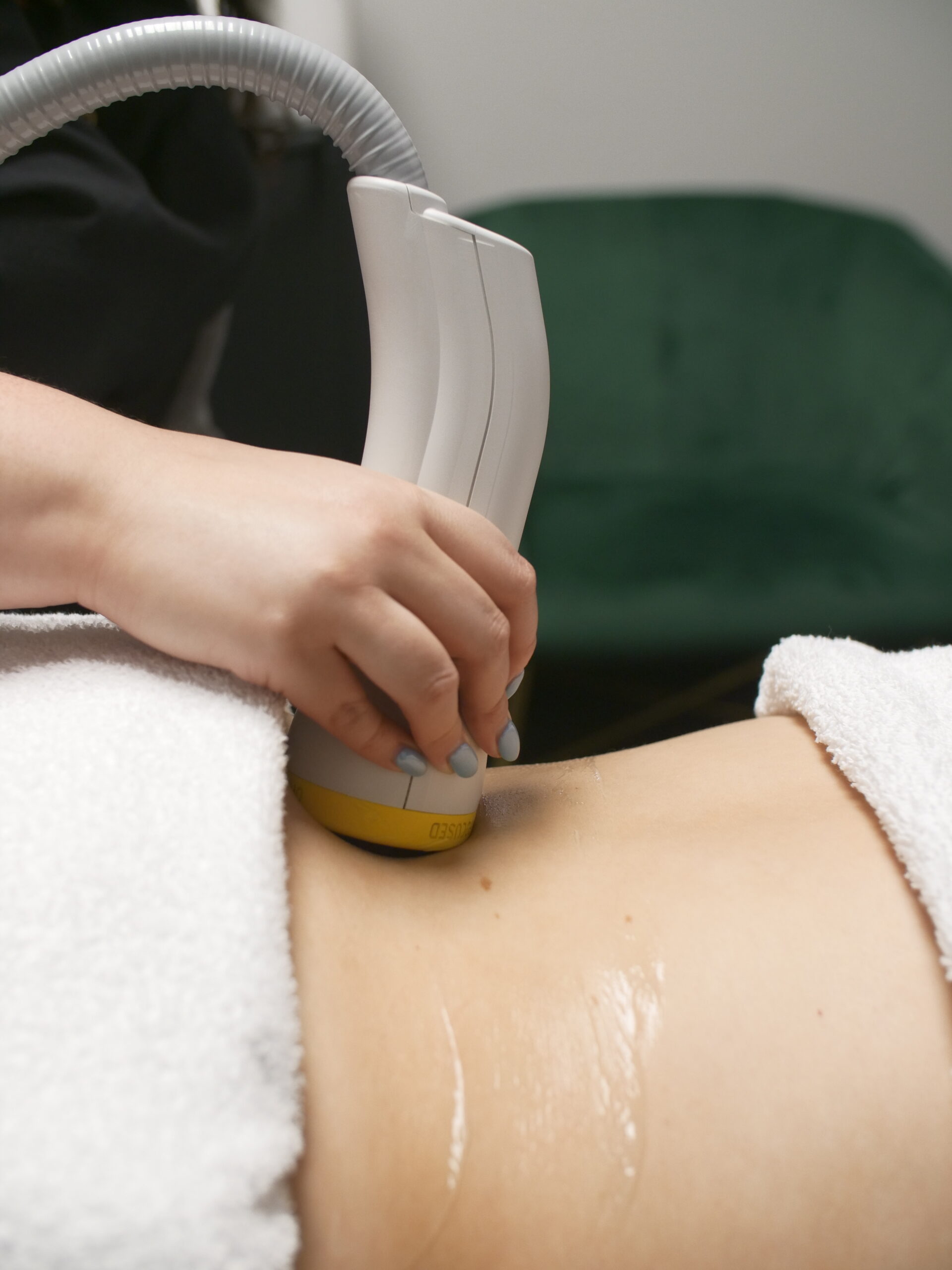
SoftWave® TRT is a breakthrough form of extracorporeal shockwave therapy (ESWT) that promotes tissue repair and regeneration. Using low-intensity shockwaves, this innovative technology stimulates cellular activity, increases blood flow, and encourages natural healing in injured tissues. Unlike high-intensity shockwave treatments—commonly used for kidney stones—which can be uncomfortable, SoftWave® is gentle, painless, and safe for musculoskeletal and chiropractic care. It effectively targets the underlying causes of pain, supports collagen production, reduces inflammation, and accelerates recovery. SoftWave® TRT offers a non-invasive, drug-free approach to restoring mobility and improving overall musculoskeletal health.


Key Mechanisms of Action

SoftWave® works on multiple levels to promote natural healing:

  • Cellular Activation: SoftWave® stimulates fibroblasts and stem cells, which are essential for tissue repair and collagen production.

  • Enhanced Circulation: By increasing local blood flow, it ensures that oxygen and nutrients reach damaged tissues, accelerating recovery.

  • Pain Reduction: The therapy modulates nerve signaling, reducing the perception of pain without the need for medications.

  • Anti-Inflammatory Effects: SoftWave® can decrease inflammation in joints, muscles, and tendons, speeding up functional recovery.

  • Tissue Regeneration: Repeated sessions support collagen remodeling and repair of tendons, ligaments, and cartilage.

This combination of effects makes SoftWave® TRT a highly effective, non-invasive solution for chronic pain, sports injuries, and degenerative musculoskeletal conditions.


The Science Behind SoftWave® TRT

SoftWave® TRT is supported by extensive research in regenerative medicine and musculoskeletal therapy. Clinical studies have demonstrated its effectiveness in reducing pain, improving joint function, and accelerating tissue healing. Research shows that low-intensity shockwaves stimulate stem cells, increase collagen production, and enhance blood flow to injured areas, promoting natural regeneration. Patients with conditions such as tendonitis, plantar fasciitis, arthritis, and post-surgical injuries have experienced significant improvements in mobility and pain relief. With minimal side effects and a non-invasive approach, SoftWave® TRT provides a safe, scientifically validated alternative to traditional treatments like surgery or long-term medication.

  • Significant reduction in pain for patients with plantar fasciitis, tendinopathies, and osteoarthritis.

  • Improved joint function and mobility in post-surgical and degenerative conditions.

  • Increased collagen synthesis, which strengthens tendons and ligaments.

  • Long-term benefits with minimal side effects compared to surgery or steroid injections.

By harnessing the body’s innate healing mechanisms, SoftWave® offers patients a natural, non-pharmaceutical path to recovery.


Conditions Treated with SoftWave® TRT

SoftWave® TRT is an exceptionally versatile therapy that effectively addresses a wide range of musculoskeletal conditions. It is commonly used to treat chronic back and neck pain, knee osteoarthritis, plantar fasciitis, and tendon or ligament injuries such as tennis elbow and rotator cuff damage. The therapy also supports post-surgical recovery by promoting tissue repair and reducing inflammation. Athletes benefit from faster healing of strains, sprains, and overuse injuries, while patients with arthritis experience improved joint mobility and pain relief. With its non-invasive, drug-free approach, SoftWave® TRT offers a safe and effective solution for diverse musculoskeletal issues.

1. Chronic Back and Neck Pain

SoftWave® TRT can relieve chronic spinal pain by promoting tissue repair in discs, muscles, and ligaments. Patients often experience improved posture, flexibility, and reduced reliance on pain medications.

2. Knee Osteoarthritis

Degenerative joint disease often causes stiffness and discomfort. SoftWave® improves circulation and stimulates cartilage repair, reducing pain and improving mobility.

3. Plantar Fasciitis

This painful condition affects the heel and foot arch. SoftWave® targets the inflamed fascia, accelerates healing, and allows patients to return to walking, running, or standing without pain.

4. Tendon and Ligament Injuries

SoftWave® accelerates the healing of tendonitis, tennis elbow, golfer’s elbow, and rotator cuff injuries by stimulating collagen production and tissue regeneration.

5. Post-Surgical Recovery

Patients recovering from orthopedic surgeries benefit from SoftWave® TRT as it enhances healing, reduces scar tissue formation, and promotes faster return to normal activity.

6. Sports Injuries

Athletes recovering from strains, sprains, or overuse injuries can achieve faster recovery times and improved performance with SoftWave® therapy.

7. Arthritis

For degenerative joint conditions, SoftWave® reduces pain, enhances mobility, and improves the quality of life without invasive interventions.


What to Expect During Treatment

SoftWave® TRT sessions are quick, non-invasive, and typically painless, making them an ideal treatment for a wide range of musculoskeletal conditions. During a session, patients first undergo a thorough consultation, where their medical history and specific concerns are assessed. The targeted area is then prepared, often with a conductive gel, before the SoftWave® applicator delivers gentle shockwaves to stimulate tissue repair. Most patients feel only mild tapping or tingling sensations, which are well-tolerated. Sessions generally last 15–30 minutes, and patients can resume normal activities immediately afterward, with minimal soreness in some cases.

  • Initial Consultation: A comprehensive assessment of your condition, medical history, and treatment goals.

  • Preparation: The targeted area is cleaned, and a conductive gel may be applied.

  • Treatment Session: The SoftWave® applicator delivers gentle shockwaves to the affected tissue. Most patients feel a tapping or tingling sensation, but discomfort is minimal.

  • Post-Treatment: Normal activity can usually resume immediately. Some patients may experience mild soreness, which typically resolves within 24–48 hours.

Sessions typically last 15–30 minutes, and the number of treatments required varies based on your condition and response.


Benefits of SoftWave® TRT

SoftWave® TRT offers numerous advantages over traditional treatments for pain and musculoskeletal injuries. Unlike surgery or long-term medication, it is non-invasive and drug-free, reducing risks and side effects. The therapy accelerates healing by stimulating tissue regeneration, improving blood flow, and reducing inflammation, which leads to faster recovery. It is versatile, effectively treating muscles, joints, tendons, and ligaments, while supporting post-surgical rehabilitation and chronic pain management. Most patients experience long-term improvements in mobility, strength, and quality of life. With minimal discomfort and scientifically backed results, SoftWave® TRT provides a safe, effective alternative to conventional treatments.

  • Non-Invasive: Avoids the risks and recovery associated with surgery.

  • Drug-Free Pain Relief: Reduces or eliminates the need for long-term pain medication.

  • Accelerated Healing: Promotes tissue regeneration and faster recovery.

  • Versatile: Treats a variety of conditions affecting muscles, joints, ligaments, and tendons.

  • Minimal Side Effects: Safe, gentle, and well-tolerated by patients.

  • Long-Term Results: Supports lasting improvements in pain, mobility, and overall function.


Patient Success Stories

SoftWave® TRT has significantly improved the lives of many patients at Abundant Life Chiropractic Health Center. For example, Sarah, 42, overcame chronic plantar fasciitis after just four sessions and returned to daily walks without pain. Mike, 35, recovered from knee tendonitis and resumed running within weeks. Linda, 60, experienced reduced shoulder arthritis pain and regained mobility for her favorite activities like gardening and swimming. Even younger patients, like James, 28, benefited from faster recovery after sports injuries. These success stories highlight how SoftWave® TRT provides effective, non-invasive, and lasting relief for a variety of musculoskeletal conditions.

  • Sarah, 42, Plantar Fasciitis: After four SoftWave® sessions, she returned to daily walks without heel pain.

  • Mike, 35, Knee Tendonitis: Experienced complete relief from knee pain and returned to running within six weeks.

  • Linda, 60, Shoulder Arthritis: Improved mobility and reduced pain, enabling her to enjoy hobbies like gardening and swimming.

  • James, 28, Sports Injury: Recovered from a hamstring strain faster than expected, avoiding downtime from work and sports.

These success stories demonstrate the effectiveness and transformative potential of SoftWave® TRT.


FAQs About SoftWave® TRT

Q1: Is SoftWave® TRT safe?
A1: Yes. It’s FDA-approved, non-invasive, and administered by trained professionals.

Q2: Does SoftWave® TRT hurt?
A2: Most patients feel mild tapping or tingling during the session, which is well-tolerated.

Q3: How many sessions are required?
A3: Typically 3–6 sessions are recommended, but this varies depending on the condition.

Q4: Can I combine it with other therapies?
A4: Yes. SoftWave® TRT can be combined with chiropractic adjustments, physical therapy, or regenerative treatments.

Q5: When will I see results?
A5: Some patients notice improvement after the first session, with continued progress over several weeks.

Q6: Is it covered by insurance?
A6: Coverage varies by provider. Our staff can help you check your insurance benefits.

Q7: Who is a candidate for SoftWave® TRT?
A7: Patients with chronic pain, tendon or ligament injuries, arthritis, or post-surgical recovery needs are ideal candidates.


Why Choose Abundant Life Chiropractic Health Center?

Choosing the right provider for regenerative therapy is essential for achieving safe and effective results. At Abundant Life Chiropractic Health Center, we combine advanced technology like SoftWave® TRT with a patient-centered approach to ensure optimal outcomes. Our certified practitioners assess each patient’s unique condition and develop personalized treatment plans tailored to their needs. With a focus on holistic healing, we address the root causes of pain rather than just masking symptoms. By blending expertise, innovative therapies, and compassionate care, we help patients recover faster, regain mobility, reduce discomfort, and improve their overall quality of life.

  • Expert Staff: Certified practitioners with years of experience.

  • State-of-the-Art Technology: SoftWave® TRT and other cutting-edge chiropractic tools.

  • Personalized Care: Each treatment plan is tailored to your condition and goals.

  • Comfortable Environment: Relaxing and welcoming clinic atmosphere.

  • Holistic Approach: We focus on healing the root cause, not just masking symptoms.

Our mission is to help every patient achieve optimal health and mobility without invasive procedures or long-term medication dependency.


Research and Evidence Supporting SoftWave® TRT

Clinical research strongly supports the effectiveness of SoftWave® TRT in treating musculoskeletal conditions and promoting tissue regeneration. Studies have shown significant improvements in pain reduction, joint function, and mobility for patients with tendon injuries, plantar fasciitis, and osteoarthritis. Low-intensity shockwaves stimulate stem cells, enhance collagen production, and increase blood flow to damaged tissues, accelerating natural healing. Research also demonstrates that SoftWave® TRT is safe, non-invasive, and well-tolerated, with minimal side effects. These findings confirm that SoftWave® offers a scientifically validated alternative to traditional treatments, providing patients with a drug-free, effective solution for chronic pain and tissue repair.

  • Tendinopathy Studies: Shockwave therapy has been shown to improve pain scores and functional outcomes in chronic tendon injuries.

  • Osteoarthritis Research: Patients with knee osteoarthritis experienced reduced pain and improved joint function.

  • Cellular Studies: Low-intensity shockwaves increase stem cell activity and collagen production, essential for tissue regeneration.

These findings reinforce SoftWave® TRT as a safe, effective, and scientifically supported treatment option.


Tips for Maximizing Your SoftWave® TRT Results

  • Follow your treatment plan: Attend all scheduled sessions.

  • Maintain activity levels: Gentle exercise and stretching can enhance recovery.

  • Hydrate well: Adequate water intake supports tissue repair.

  • Listen to your body: Avoid overexertion during recovery.

  • Combine with chiropractic care: Adjustments can complement tissue regeneration.


Conclusion

SoftWave® Tissue Regeneration Technologies (TRT) offer a safe, non-invasive, and effective solution for chronic pain, sports injuries, and degenerative conditions. By stimulating the body’s natural healing mechanisms, SoftWave® helps patients:

  • Reduce pain

  • Restore mobility

  • Avoid surgery

  • Improve overall quality of life

At Abundant Life Chiropractic Health Center, our mission is to provide patients with innovative treatments that address the root causes of pain and promote long-term wellness.

Take the first step toward healing naturally with SoftWave® TRT. Contact Abundant Life Chiropractic Health Center today to schedule your consultation and start your journey to pain-free living.

Phone: (952) 300-8338
Email: ca@abundantlifechiropractor.com
Fax: (952) 737-1009
Address: 7945 Stone Creek Drive, Suite 120, Chanhassen, MN 55317
Website: abundantlifechiropractor.com

The post SoftWave® TRT — Advanced Healing & Pain Relief at Abundant Life Chiropractic appeared first on Abundant Life Chiropractic Health Center.


from
https://abundantlifechiropractor.com/softwave-trt-abundant-life-chiropractic/

from
https://abundantlifechiropractic0.blogspot.com/2026/02/softwave-trt-advanced-healing-pain_01092894453.html

from
https://mildredmiller0.blogspot.com/2026/02/softwave-trt-advanced-healing-pain_01574305805.html

Monday, February 23, 2026

Managing Nerve Pain Naturally with Modern Neuropathy Treatment Options

Managing Nerve Pain Naturally with Modern Neuropathy Treatment Options

Peripheral Neuropathy and Nerve Pain Treatment Options

Nerve pain can be one of the most frustrating and debilitating health challenges a person can experience. Unlike typical injuries that heal with rest and time, neuropathic pain often persists because it involves damage or dysfunction within the nervous system itself. Many people describe neuropathy pain as burning, stabbing, electric shock-like sensations, or persistent numbness and weakness that interfere with mobility, sleep, and overall quality of life.

Neuropathy can develop gradually or appear suddenly depending on the cause. For some individuals, nerve damage is linked to chronic health conditions such as diabetes or autoimmune disorders. For others, it may stem from injury, poor posture, repetitive motion strain, or exposure to toxins. Traditional medical treatments often focus on symptom management rather than root cause resolution, which is why many patients are now exploring natural and integrative treatment options.

Modern neuropathy treatment has evolved significantly over the past decade. Chiropractors, functional medicine practitioners, and rehabilitation specialists are combining advanced technology, nutrition science, and movement therapy to help patients manage pain naturally while improving long-term nerve function.

This comprehensive guide explores everything you need to know about managing nerve pain naturally, including causes, symptoms, natural treatment options, lifestyle strategies, modern therapies, prevention methods, and practical steps to start your recovery journey.


Understanding Neuropathy and How It Affects the Body

Neuropathy refers to damage to peripheral nerves—the network of nerves that carry signals between the brain, spinal cord, and the rest of the body. When these nerves are damaged, communication between the central nervous system and organs, muscles, and skin becomes disrupted. This disruption can cause pain, numbness, tingling, and muscle weakness. Neuropathy may develop gradually or suddenly depending on the underlying cause. Common causes include diabetes, injuries, infections, autoimmune disorders, and toxin exposure. Early diagnosis and treatment are important for slowing nerve damage progression, managing symptoms, improving nerve function, and maintaining overall mobility, balance, and quality of life.

The peripheral nervous system plays a critical role in:

  • Sensory perception

  • Muscle movement coordination

  • Organ regulation

  • Blood circulation control

When nerve function is impaired, the brain may receive incorrect signals. This is why neuropathy often causes pain without visible injury.


Types of Neuropathy

There are several major categories of neuropathy, including peripheral neuropathy affecting hands and feet, autonomic neuropathy impacting internal organs, focal neuropathy affecting a single nerve, and proximal neuropathy affecting hips and thighs. Each type produces different symptoms and requires personalized treatment approaches for effective management and relief.

Peripheral Neuropathy
This is the most common type and usually affects the feet and hands first. Symptoms may include tingling, numbness, burning sensations, or muscle weakness.

Autonomic Neuropathy
This type affects involuntary bodily functions such as heart rate, digestion, and blood pressure regulation.

Focal Neuropathy
Focal neuropathy affects a single nerve or nerve group, often appearing suddenly and causing localized pain.

Proximal Neuropathy
This type affects nerves in the thighs, hips, or buttocks and may cause severe weakness or difficulty walking.

Understanding which type of neuropathy you have helps guide treatment decisions and improves outcomes.


Common Causes of Nerve Pain

Neuropathy rarely develops without an underlying cause. Identifying and addressing root causes such as diabetes, nutrient deficiencies, injury, inflammation, or toxin exposure is essential for long-term recovery. Treating symptoms alone is not enough; comprehensive care that supports nerve healing, circulation, and overall health provides the best results.


Diabetes and Blood Sugar Imbalance

Diabetic neuropathy is one of the leading causes of nerve pain worldwide. Chronic high blood sugar damages blood vessels that supply oxygen and nutrients to nerves. Over time, this reduces nerve function and causes degeneration.

Maintaining stable blood sugar levels is one of the most important steps in preventing neuropathy progression.


Nutritional Deficiencies

The nervous system requires specific nutrients to function properly. Deficiencies in key vitamins can lead to nerve irritation and inflammation, increasing pain and discomfort. Vitamins B12, B6, and D are especially important for nerve repair and signaling. A balanced, nutrient-rich diet helps support nerve health and reduces neuropathy symptoms.

Important nutrients for nerve health include:

  • Vitamin B12 for nerve repair

  • Vitamin B1 (thiamine) for nerve signaling

  • Vitamin B6 for neurotransmitter function

  • Magnesium for muscle and nerve relaxation

  • Vitamin D for immune and inflammatory regulation


Physical Injury and Mechanical Compression

Spinal misalignments, herniated discs, and poor posture can compress nerves and disrupt normal signaling. People who sit for long periods or perform repetitive motions are at higher risk of developing nerve pain. Maintaining good posture, regular movement, and proper ergonomic support helps reduce nerve compression and supports spinal health.


Toxic Exposure

Exposure to heavy metals, alcohol abuse, and certain chemotherapy medications can damage nerve fibers, leading to toxic neuropathy. This condition disrupts normal nerve signaling, causing pain, numbness, and weakness. Avoiding toxins, moderating alcohol intake, and receiving medical monitoring during treatment can help reduce nerve damage and support recovery.


Autoimmune and Inflammatory Conditions

Diseases such as lupus, rheumatoid arthritis, and multiple sclerosis can trigger immune system attacks on nerve tissue, causing inflammation, pain, and nerve damage. These autoimmune conditions disrupt normal nerve signaling, leading to numbness, weakness, and chronic discomfort. Early diagnosis and management help reduce progression and improve nerve function over time.


Symptoms of Neuropathy

Symptoms vary depending on which nerves are affected. Common symptoms include:

  • Burning or stabbing pain

  • Tingling or “pins and needles” sensations

  • Muscle weakness

  • Loss of coordination

  • Sensitivity to touch

  • Balance problems

  • Numbness in extremities

  • Difficulty sleeping due to pain

Early recognition of symptoms allows for earlier intervention and better treatment results.


Why Medication Alone Is Not Always Enough

While medications can provide temporary relief, they rarely repair damaged nerves. Many common neuropathy medications only mask symptoms without addressing root causes such as inflammation, structural problems, or nutritional deficiencies.

Side effects of long-term medication use can include:

  • Fatigue

  • Dizziness

  • Digestive problems

  • Cognitive impairment

Because of this, many patients are choosing integrative treatment approaches that combine medical and natural therapies.


Natural Strategies for Managing Neuropathy Pain

Anti-Inflammatory Nutrition

Diet plays a crucial role in nerve repair and pain management. An anti-inflammatory diet helps reduce systemic inflammation that contributes to nerve degeneration. Eating whole foods, healthy fats, lean proteins, fruits, and vegetables supports nerve healing, stabilizes blood sugar, and improves overall nervous system function and recovery.

Recommended foods include:

  • Leafy green vegetables

  • Berries rich in antioxidants

  • Nuts and seeds

  • Fatty fish high in omega-3 fatty acids

  • Whole grains

  • Turmeric and ginger

Foods to avoid include:

  • Processed sugar

  • Trans fats

  • Excess alcohol

  • Highly processed carbohydrates

Maintaining balanced nutrition helps stabilize blood sugar levels and promotes nerve regeneration.


Exercise and Physical Movement

Regular movement improves circulation, which is essential for delivering oxygen and nutrients to nerves. Exercise reduces inflammation, prevents muscle stiffness, and supports nerve regeneration. Activities like walking, stretching, and low-impact workouts help improve mobility, reduce pain, and enhance overall nervous system function and long-term nerve health.

Helpful exercises include:

  • Walking

  • Swimming

  • Yoga

  • Stretching routines

  • Low-impact resistance training

Movement also helps reduce muscle stiffness and prevents secondary complications associated with neuropathy.


Stress Management Techniques

Chronic stress worsens neuropathy symptoms by increasing inflammation and pain sensitivity throughout the body. Elevated stress hormones can disrupt nerve signaling and slow healing. Managing stress through meditation, breathing exercises, adequate sleep, and relaxation techniques helps reduce nerve pain, improve circulation, and support overall nervous system health and recovery.

Effective stress management practices include:

  • Meditation

  • Deep breathing exercises

  • Progressive muscle relaxation

  • Mindfulness therapy

Reducing stress helps regulate cortisol levels and supports nervous system healing.


Modern Neuropathy Treatment Technologies

Cold Laser Therapy

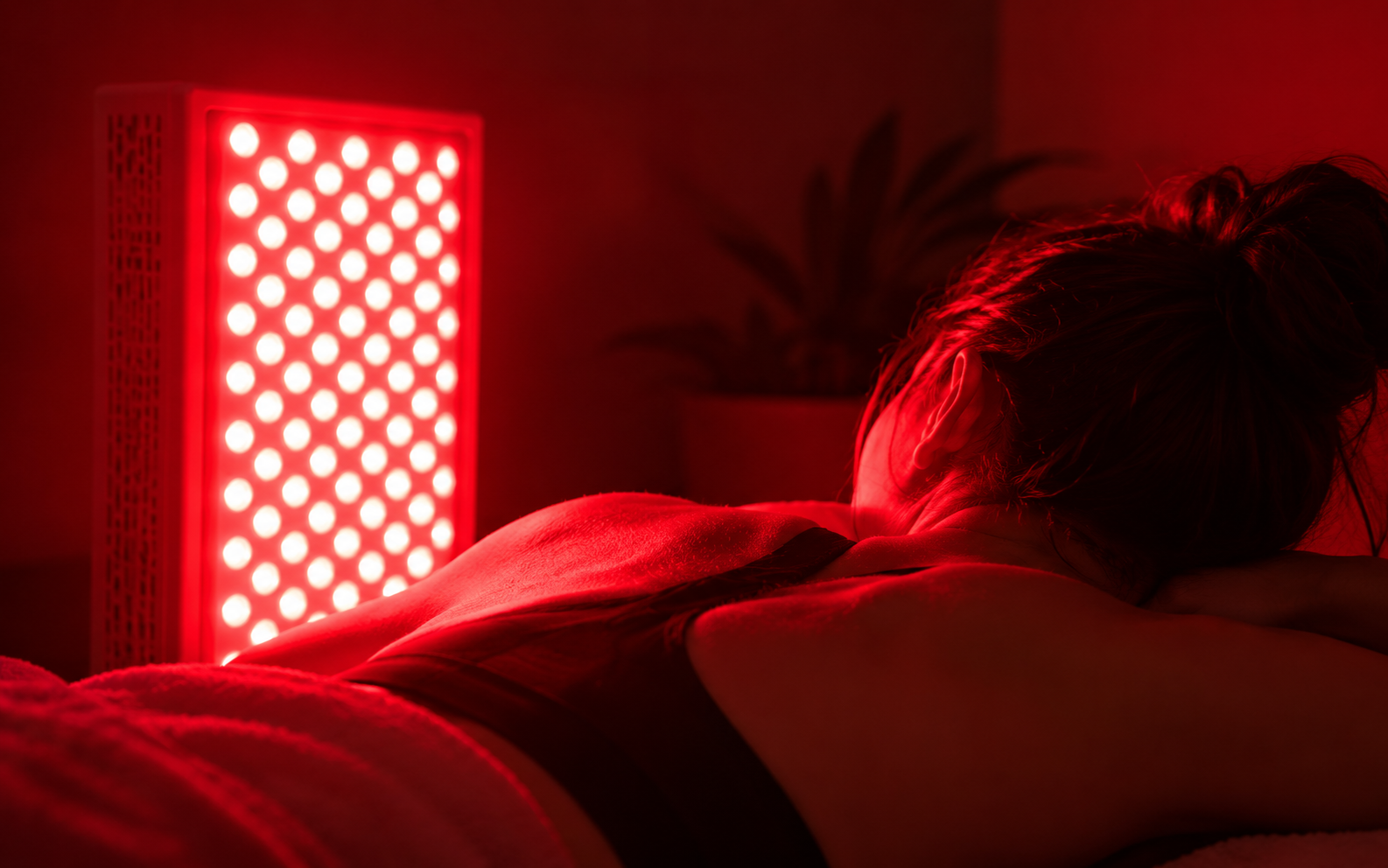
Cold laser therapy uses low-level light energy to stimulate cellular repair. This therapy has been shown to:

  • Increase circulation

  • Reduce inflammation

  • Support nerve regeneration

Cold laser therapy is non-invasive and painless, making it popular among neuropathy patients.


Electrical Nerve Stimulation

Transcutaneous electrical nerve stimulation (TENS) helps interrupt pain signals traveling to the brain by using mild electrical impulses. Patients often experience temporary pain relief after treatment sessions. TENS therapy may reduce muscle tension, improve circulation, and help manage neuropathy discomfort when combined with other therapies and lifestyle changes.


Spinal Decompression Therapy

Spinal decompression therapy gently stretches the spine to relieve nerve pressure caused by disc problems or spinal misalignment. This non-invasive treatment improves circulation, reduces inflammation, and promotes healing. It is especially helpful for conditions like sciatica and herniated discs, helping patients experience reduced pain and improved mobility over time.

This therapy is especially helpful for patients with:

  • Sciatica

  • Herniated discs

  • Chronic back pain


Chiropractic Neuropathy Care

Chiropractic care focuses on restoring proper spinal alignment and nervous system communication. Adjustments can reduce nerve pressure and improve overall body function.

Chiropractors often combine spinal adjustments with rehabilitation exercises and lifestyle counseling to create comprehensive treatment plans.


Functional Supplements for Nerve Health

Many patients benefit from targeted supplementation under medical supervision to support nerve health and reduce neuropathy symptoms. Supplements like B vitamins, alpha-lipoic acid, omega-3 fatty acids, and magnesium may help reduce inflammation, improve nerve signaling, and promote tissue repair when combined with proper diet, lifestyle changes, and medical guidance.

Helpful supplements include:

Alpha-Lipoic Acid
Supports antioxidant protection and reduces oxidative nerve damage.

Acetyl-L-Carnitine
Helps support nerve repair and improves energy metabolism.

Omega-3 Fatty Acids
Reduce inflammation and support brain and nerve function.

B-Complex Vitamins
Support nerve signaling and repair mechanisms.


Sleep and Nervous System Healing

Sleep is essential for nerve recovery. During deep sleep, the body performs tissue repair and regulates inflammatory processes that support healing. Quality sleep improves nerve signaling, reduces pain sensitivity, balances hormones, and strengthens immune function. Establishing consistent sleep routines helps promote long-term nervous system health and recovery from neuropathy.

Tips for improving sleep quality:

  • Maintain a consistent sleep schedule

  • Reduce screen exposure before bedtime

  • Create a dark, cool sleeping environment

  • Avoid caffeine late in the day


Preventing Neuropathy Progression

Prevention is often easier than treatment. Helpful preventive strategies include:

  • Maintaining healthy blood sugar levels

  • Avoiding prolonged sitting

  • Wearing supportive footwear

  • Getting regular medical checkups

  • Managing chronic health conditions early

Early intervention significantly improves long-term outcomes.


Integrative Care Approach

The most successful neuropathy treatment plans combine multiple therapies:

✔ Nutrition optimization
✔ Chiropractic and spinal care
✔ Physical rehabilitation
✔ Pain management technologies
✔ Lifestyle modification

This comprehensive approach addresses both symptoms and underlying causes.


When to Seek Professional Help

You should consult a healthcare provider if you experience:

  • Persistent numbness

  • Worsening pain

  • Loss of balance

  • Muscle weakness

  • Severe burning sensations

Early diagnosis leads to better treatment success.


Frequently Asked Questions

Can neuropathy be cured naturally?

While not all neuropathy can be completely cured, many patients experience significant symptom reduction and nerve function improvement with natural treatments.

How long does nerve healing take?

Nerve regeneration is slow. Patients may notice improvements within weeks, but full recovery can take months.

Is chiropractic care safe for neuropathy?

Yes, when performed by trained professionals. Treatment is customized to each patient’s condition.

Do supplements really help nerve pain?

Certain supplements have clinical evidence supporting nerve health, especially when combined with diet and lifestyle changes.

Can neuropathy be reversed?

Reversal depends on the cause. Neuropathy caused by nutritional deficiency or mechanical compression often has better recovery outcomes.


Conclusion

Living with nerve pain can feel overwhelming, but modern neuropathy treatment options provide hope for lasting relief. Combining nutrition, regular movement, chiropractic care, and advanced therapy technologies can help improve nerve function and naturally reduce pain. Taking a proactive approach to nerve health is essential for long-term wellness and prevention of worsening symptoms. Early intervention, consistent treatment, and healthy lifestyle changes can significantly improve quality of life and mobility. If you are experiencing neuropathy symptoms, do not wait to seek professional help. The earlier treatment begins, the better the chances of reducing pain, slowing nerve damage progression, and supporting overall nervous system recovery and health.

Take the First Step Toward Relief Today

At Abundant Life Chiropractor, we provide personalized neuropathy treatment plans designed to help you reduce pain and restore function naturally.

📞 Phone: (952) 300-8338
📧 Email: ca@abundantlifechiropractor.com
📠 Fax: (952) 737-1009
📍 Address: 7945 Stone Creek Drive, Suite 120, Chanhassen, MN 55317
🌐 Website: abundantlifechiropractor.com

Schedule your consultation today and begin your journey toward better nerve health and improved quality of life.

The post Managing Nerve Pain Naturally with Modern Neuropathy Treatment Options appeared first on Abundant Life Chiropractic Health Center.


from
https://abundantlifechiropractor.com/natural-neuropathy-treatment-nerve-pain/

from
https://abundantlifechiropractic0.blogspot.com/2026/02/managing-nerve-pain-naturally-with.html

from
https://mildredmiller0.blogspot.com/2026/02/managing-nerve-pain-naturally-with.html

Restoring Knee Strength and Mobility Through Targeted Knee Pain Treatment

Restoring Knee Strength and Mobility Through Targeted Knee Pain Treatment Knee pain is one of the most common musculoskeletal issues affec...